| Megan Troxell, MD, PhD Professor, Department of Pathology, Stanford University, California President |
|
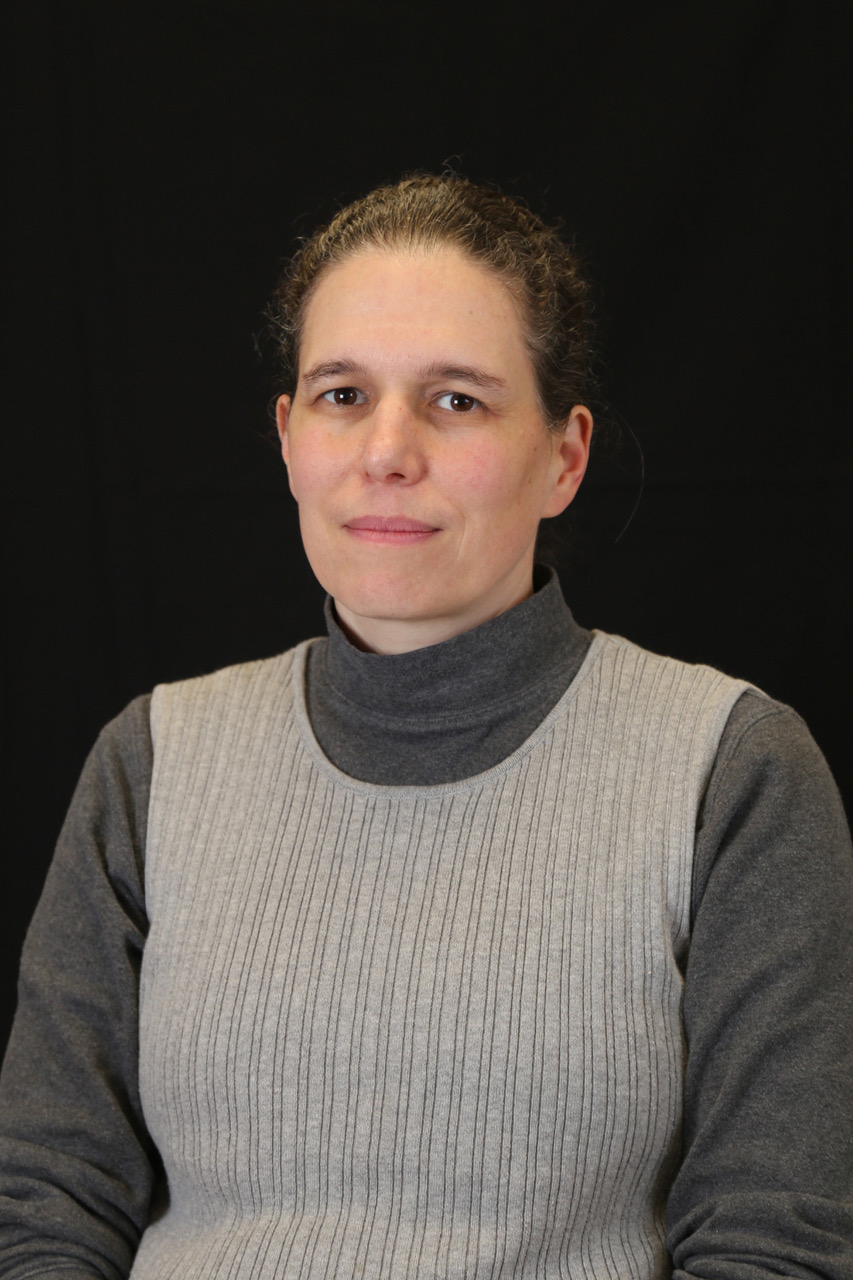 | Dr. Troxell earned her MD and PhD at Stanford, studying mutant E-cadherin and epithelial cell-cell junction dynamics. She stayed at Stanford for Anatomic Pathology training, including fellowship experience in Surgical pathology, Immunodiagnosis, and Renal Pathology. She was on faculty and directed the Immunohistochemistry lab at OHSU in Portland, Oregon for over 10 years. More recently at Stanford, her focus is breast, GU, and renal pathology. She is co-medical director of the Immunodiagnosis laboratory, and works closely with residents and fellows. She has served on College of American Pathologist’s Immunohistochemistry committee, along with two CAP immunohistochemistry related guideline committees. |
| Andrew M Bellizzi, MD Professor, Department of Pathology and Cell Biology, Columbia University Irving Medical Center, New York, NY Secretary-Treasurer |
|
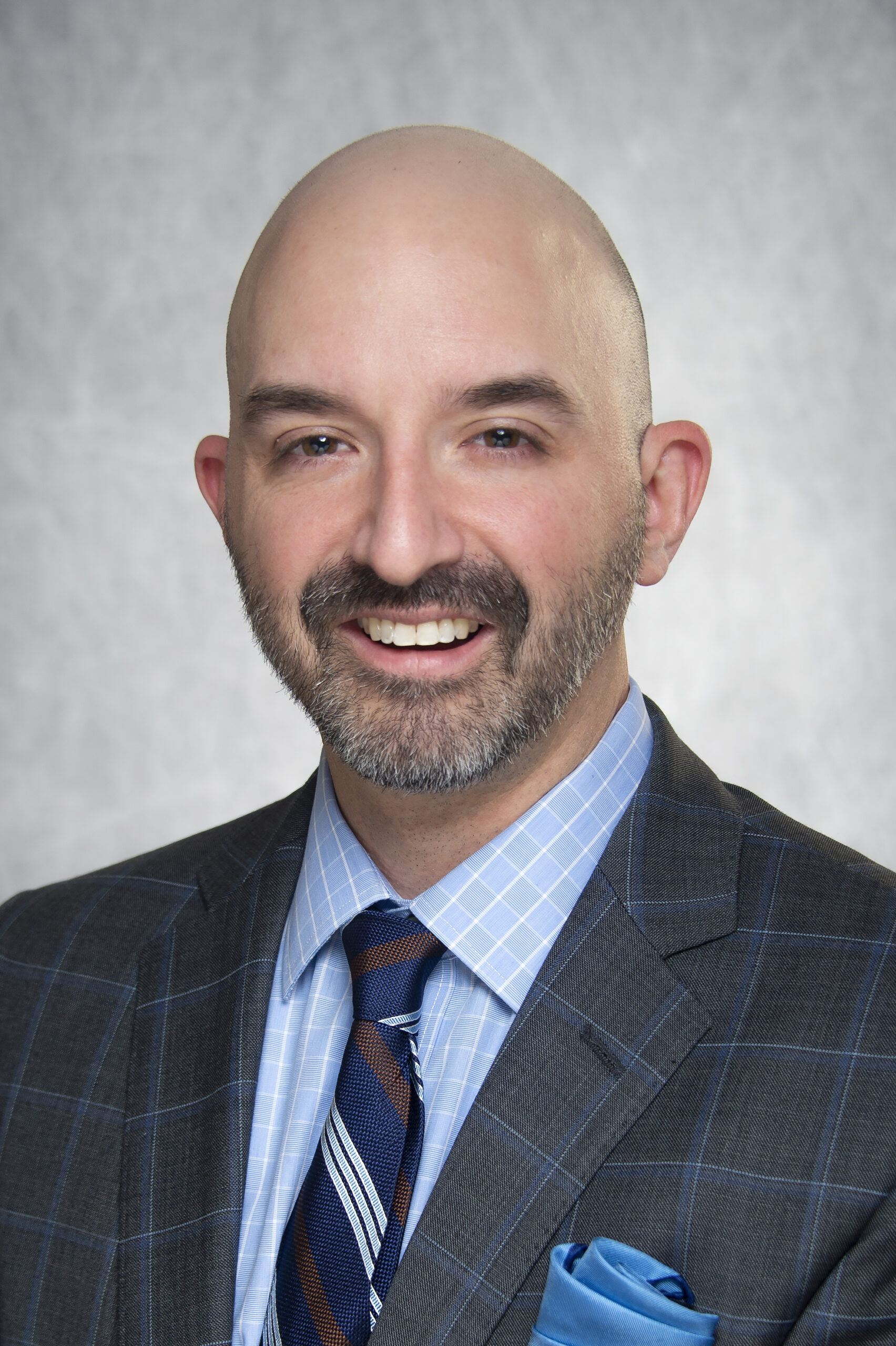 | Andrew M Bellizzi, M.D. is Professor of Pathology & Cell Biology at Columbia University. After 2 years as a junior faculty at Brigham and Women’s Hospital, he moved to Iowa in the Fall of 2011 where he directed Immunohistochemistry, GI Pathology, and the GI Pathology Fellowship. He joined Columbia University in June of 2026 as Director of Surgical Pathology. He has devoted his academic career to teaching, mentorship, scholarship, and editorial work in Immunohistochemistry, GI Pathology, Oncopathology, and Neuroendocrine Tumor Pathology. He is Editor-in-Chief of Applied Immunohistochemistry and Molecular Morphology and is on several other editorial boards. He was on the Neuroendocrine Tumor Expert Panel for the 9th Edition of the AJCC Cancer Staging Manual. Outside of the office, Andrew enjoys “getting into trouble” with his 17- and 19-year-old boys, Aidan and Darby. In addition to “very special stains,” he also loves hiking, cooking, craft beer, Notre Dame football, the Boston Red Sox, and the Oxford comma. |
| Emina E. Torlakovic, MD, PhD, FCAP Professor, College of Medicine, University of Saskatchewan, Saskatoon, Canada Past-President |
|
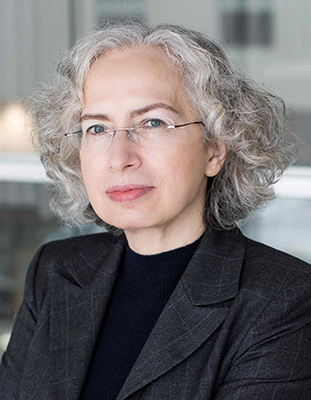 | Dr. Emina Emilia Torlakovic obtained her M.D. at the University of Zagreb Medical School and her Ph.D. at the University of Oslo Medical School. She is board certified by The American Board of Pathology in Anatomic and Clinical Pathology with subspecialty boards in Hematopathology. She is a clinical professor at the University of Saskatchewan and a Division Head of Hematopathology, SHA. She was a founding member of the NordiQC, cofounded CIQC, and most recently founded and directs Canadian Biomarker Quality Assurance (CBQA) and CBQAReadout.ca, academic QA programs. Dr. Torlakovic is the Chair of the National Standards Committee for High Complexity Testing of the CAP-ACP. She is the President of the International Society for Immunohistochemistry and Molecular Morphology and a Board Member of the International Quality Network for Pathology. She is also currently leading several national and international projects related to quality assurance of IHC biomarker assays. |
| David Dabbs, MD Professor at the John A. Burns School of Medicine, Department of Pathology, University of Hawaii, Honolulu. Director |
|
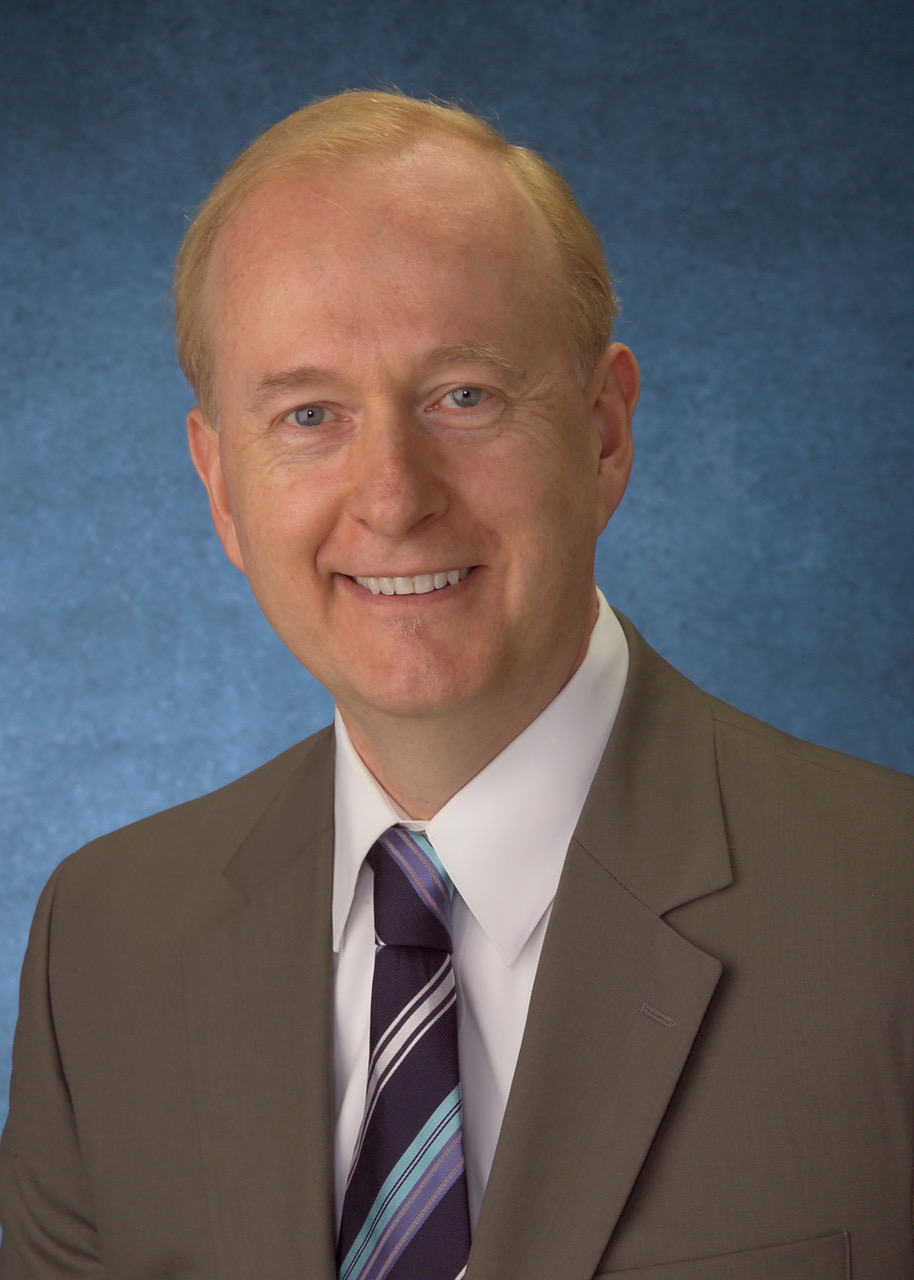 | Dr. Dabbs spent that past 17 years as Chief of Pathology at Magee-Women’s Hospital of UPMC, and decided he had had enough of the Pittsburgh, PA winters. Dr. Dabbs trained at the University of Washington, where he was inspired by Dr. Alan Gown, who was a staff pathologist at the time when Dabbs was in training in anatomic pathology at UW. Dr. Dabbs has spent most of his 35 career years in academic medicine, and was one of several people who spear-headed the call to standardize breast cancer hormone receptors and Her2 IHC n the year 2000. This successful venture ended up transitioning to what we now call ASCO/CAP. Dabbs has spent many years publishing papers of IHC related to entities affecting women’s health. Frustrated in 1997 while searching for diagnostic information about immunohistochemistry, Dr. Dabbs used the timeless work of Clive Taylor, whose famous green book was the authority at the time. This was when he had the idea for the book Diagnostic Immunohistochemistry, which is now going to it’s sixth edition, having been translated into Chinese and Spanish. Introducing semi-quantitative measures for breast biomarkers, Dabbs created the “Magee Equations”, which predicts the Oncotype Dx Recurrence Score with 98% accuracy. Dabbs is thrilled to be a part of the IMMS-“it’s never too late to teach or to improve upon what we have been doing for decades”. |
| Hadi Yaziji, MD Founder and Medical Director of Vitro Molecular Laboratories; Adjunct Clinical Professor at the University of Texas, MD Anderson Cancer Center Director |
|
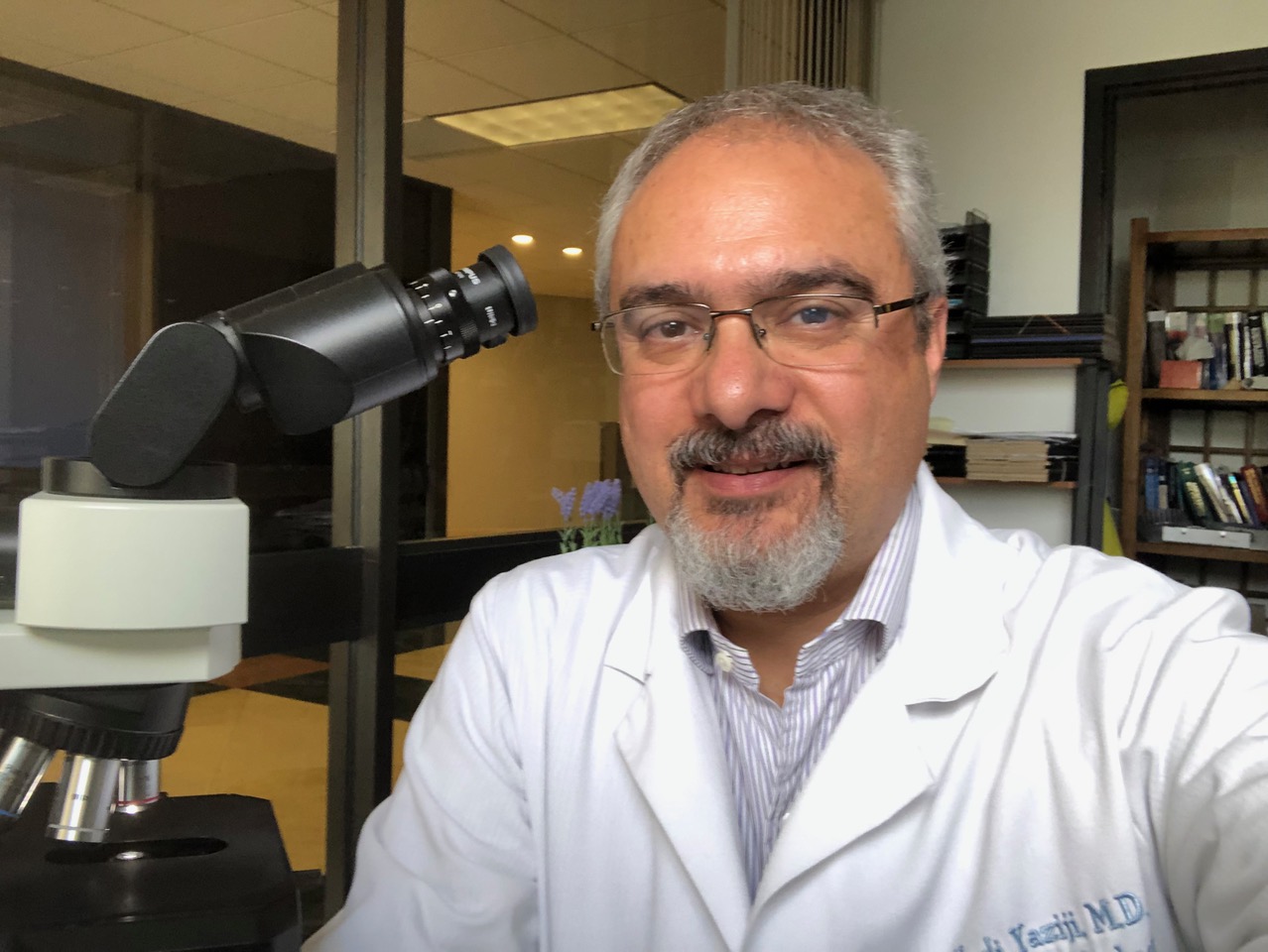 | Dr. Hadi Yaziji is the founder and Medical Director of Vitro Molecular Laboratories, an international esoteric anatomic pathology reference laboratory. An international expert in breast and esoteric pathology, Dr. Yaziji is an Adjunct Clinical Professor at the University of Texas, MD Anderson Cancer Center and serves on the editorial board of several peer-reviewed pathology circulations. He received his M. D. degree from the University of Damascus in 1989, and completed his combined pathology residency at the University of Louisville, followed by three subspecialty fellowships, two of which in surgical pathology and breast pathology at the University of Washington and cytopathology at MD Anderson Cancer Center. Dr. Yaziji dedicated a significant part of his career to understand and develop expertise in breast cancer biomarkers as well as oncologic surgical pathology workup particularly by FISH and IHC. |
| Richard W. Cartun, MS, PhD Director, Histology & The Martin M. Berman, MD Immunopathology & Morphologic Proteomics Laboratory at Hartford Hospital Director - Society for Applied Immunohistochemistry |
|
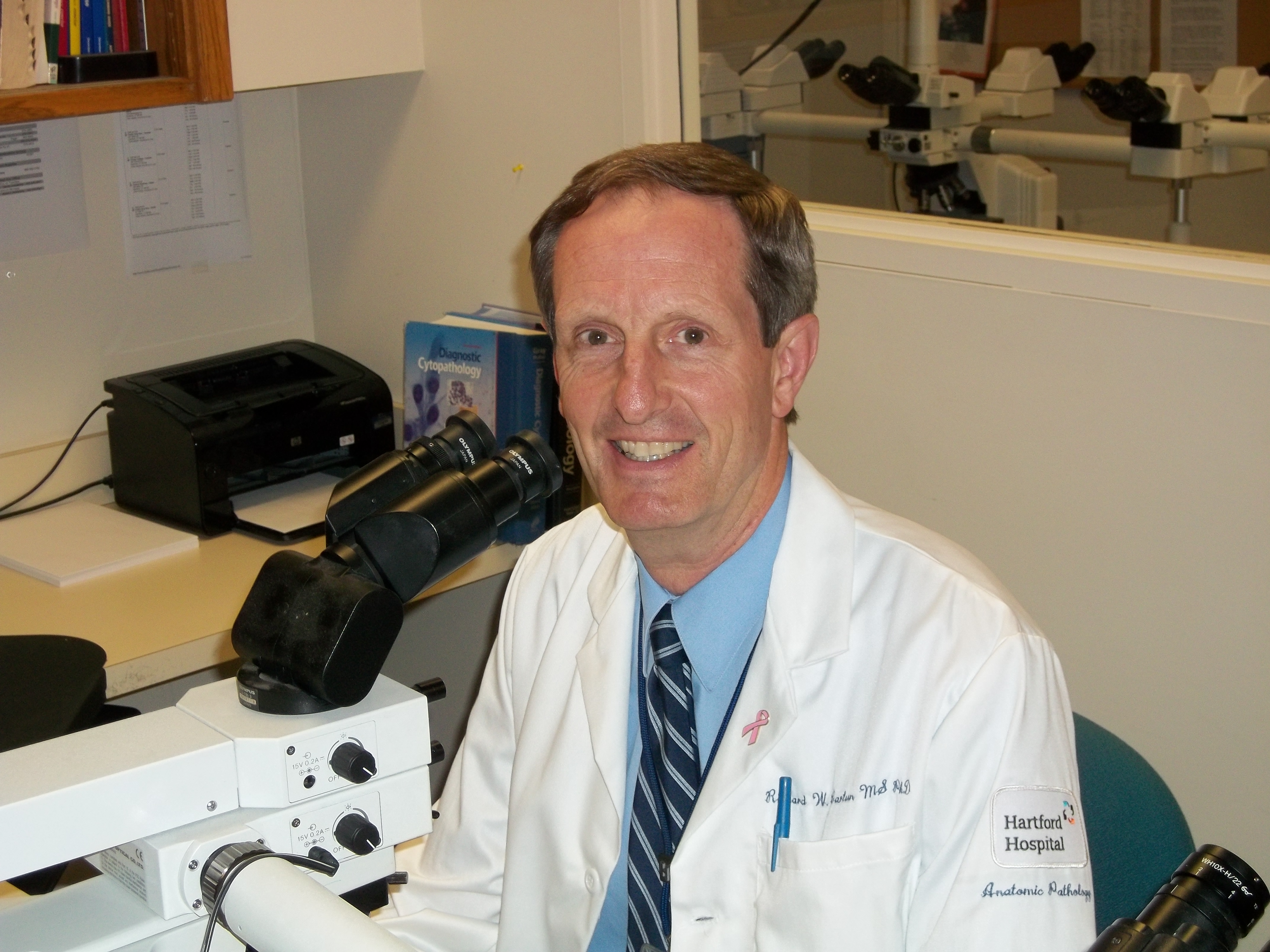 | Richard W. Cartun is the Director of Histology and the Martin M. Berman, MD Immunopathology/Morphologic Proteomics Laboratory at Hartford Hospital in Hartford, CT (USA). He also serves as the Director of Biospecimen Collection Programs and is the Assistant Director of Anatomic Pathology. Richard started working at Hartford Hospital as a Lab Tech in the Department of Pathology in July of 1978 after graduating from the University of Connecticut with a BS in Pathobiology. Over the next few years he earned an MS in Health Care Management from the Hartford Graduate Center/RPI and eventually obtained his PhD, also in Pathobiology, from UConn in 1990. He performed the first immunoperoxidase “stain” at Hartford Hospital in 1979. He has been very active in the National Society for Histotechnology giving lectures/workshops and directing the NSH IHC Forum for the past 10 years. In addition, he has been involved in the Society for Applied Immunohistochemistry since 1993 and has spoken at many Society meetings over the years. He has given presentations at USCAP, ASCP, and international meetings on the subject of immunohistochemistry or what he now calls “Morphologic Proteomics”. His interests include the use of IHC in the detection of predictive markers in breast cancer, the identification of infectious agents, the use of IHC as a surrogate maker for gene alterations, and trouble-shooting IHC tests. |
| Søren Nielsen Director, NordiQC, Institute of Pathology Aalborg University Hospital Director - NordiQC |
|
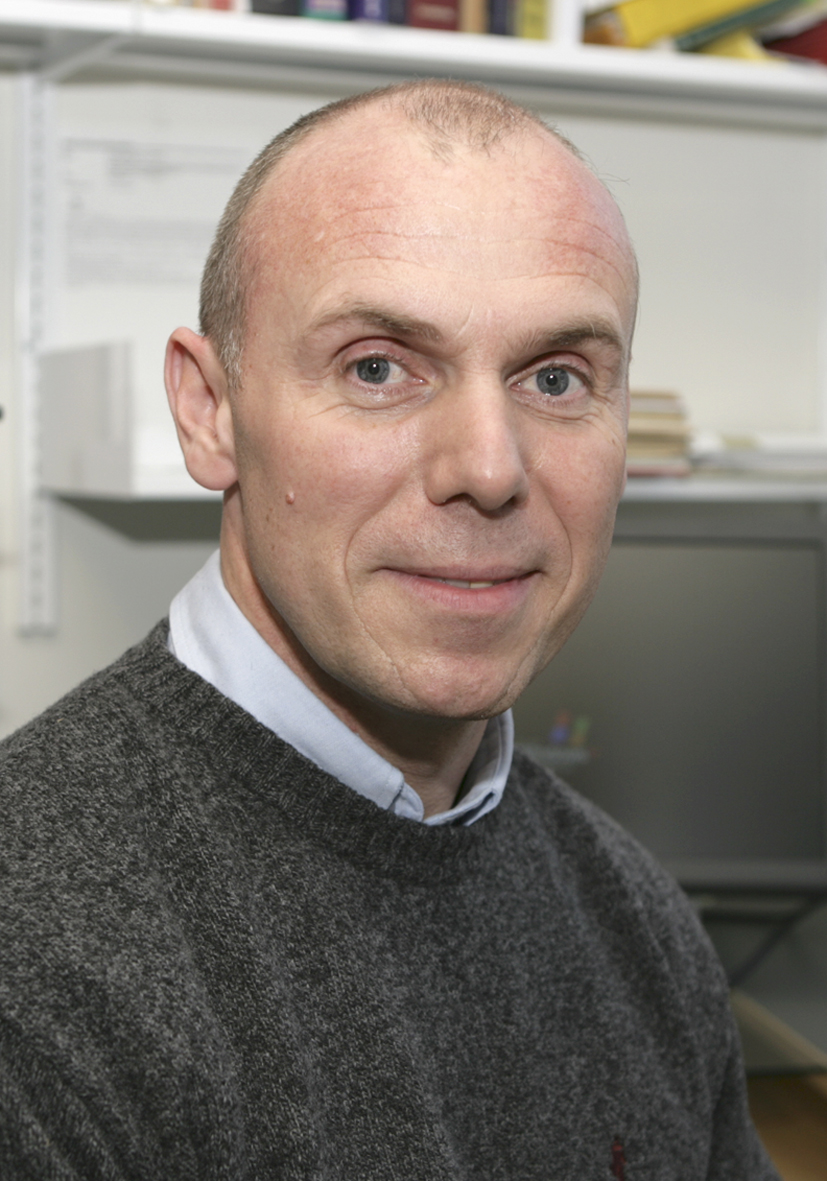 | Søren Nielsen is senior biomedical scientist and project coordinator at Laboratory for immunohistochemistry/R&D, Institute of Pathology, Aalborg Hospital, Denmark, where he has worked within immunohistochemistry for more than 20 years. He is Director of Nordic immunohistochemical Quality Control (NordiQC) initiated in 1998 and established as a professional organization in 2003. He functions as assessor and data analyst in the NordiQC general module, breast module and HER-2 ISH module. He is a regular lecturer and organizer of national and international immunohistochemical workshops, particularly in the field of protocol optimization and standardisation. He is author and co-author of more than 30 scientific papers and several book chapters based on immunohistochemical studies and is member of the editorial board of international journals. |
| Paul Swanson, MD Professor of Pathology, University of Washington School of Medicine, Seattle, WA Director |
|
| After an undergraduate experience at Dartmouth College, Dr. Swanson received his medical training at Oregon Health Sciences University in Portland OR, during which time he completed a post-sophomore fellowship in pathology. He was introduced to immunohistochemical techniques at OHSU by Dr. Peter Stenzel, with whom he demonstrated the presence of neuron specific enolase in an example of urothelial small cell carcinoma (in 1983). He continued his pathology training at the University of Minnesota Hospital and Clinic, where he was given free reign to develop and refine mmunohistochemical applications in the anatomic pathology research laboratory directed by Dr Mark Wick. His interactions with a remarkable faculty in Minnesota at the time (including Drs. Juan Rosai, Louis Dehner, Richard Sibley, Glauco Frizzera, Dale Snover, Carlos Manivel and Dr Wick) gave him an appreciation for the wonders of academic surgical pathology as a specialty and the potential that immunohistochemistry held for the redefinition of an evolving field of inquiry. Though much of the glamour of the diagnostic lab has now shifted to molecular techniques, Dr. Swanson remains an ardent admirer of immunohistochemical methods and has focused on the delivery of appropriately optimized, calibrated and validated assays for clinical and investigative use. He regards immunohistochemistry as a place, perhaps even a state of mind, where diagnostic practice is unfettered by the largely artificial lines that divide today's subspecialty focus in surgical pathology (even though he might have to admit to a bit of a drift towards a clinical practice enriched in gastrointestinal diseases). |
| Jason L. Hornick, MD, PhD Professor, Department of Pathology, Brigham and Women's Hospital, Boston, MA Director |
|
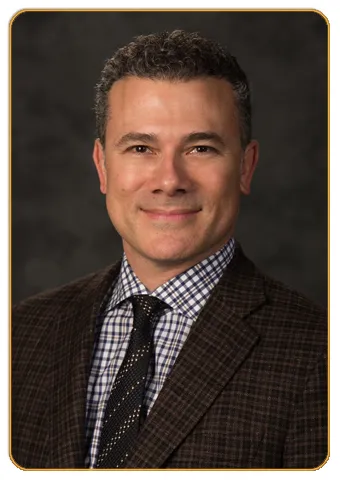 | Jason L. Hornick, MD, PhD, is Director of Academic Affairs for Anatomic Pathology and Immunohistochemistry at Brigham and Women’s Hospital and Professor of Pathology at Harvard Medical School. He is internationally recognized for his expertise in diagnostic immunohistochemistry, particularly its application to the classification of soft tissue and other mesenchymal neoplasms. His work has helped define the diagnostic utility and limitations of numerous immunohistochemical markers and has emphasized the integration of morphology, immunophenotype, and molecular findings in contemporary surgical pathology. Dr. Hornick is a prolific author, editor, and educator, and is widely sought as a lecturer on immunohistochemistry, soft tissue pathology, and diagnostically challenging tumors. |
| Carol Cheung, MD, PhD, JD, FRCPC Provincial Head and Professor, Department of Pathology and Laboratory Medicine, University of Saskatchewan, Saskatoon Director |
|
 | Carol Cheung, MD, PhD, JD, FRCPC, is Provincial Head and Professor in the Department of Pathology and Laboratory Medicine at the University of Saskatchewan. She is a nationally recognized leader in diagnostic pathology, laboratory medicine, and immunohistochemistry, with particular expertise in biomarker testing and the clinical implementation of immunohistochemical assays. Dr. Cheung has held major academic and laboratory leadership roles and has contributed extensively to education, quality improvement, and the development of best practices in diagnostic immunopathology. Her work bridges diagnostic pathology, laboratory operations, and emerging biomarker applications, with a strong focus on fit-for-purpose testing and the responsible translation of new assays into clinical practice. |
| Regan Fulton, MD, PhD Planning Committee |
|
 | Dr. Fulton received his MD and PhD from the University of Minnesota, and completed his postgraduate training in Anatomic Pathology at Stanford University. Following residency, he completed two fellowships (Surgical Pathology and Immunodiagnosis) at Stanford University, and is board-certified in Anatomic Pathology. Dr. Fulton worked at Kaiser Permanente Medical Center in San Francisco, CA for 12 years and served in the roles of Chief of Pathology, Assistant Chief of the Medical Center Quality Department and Medical Director of the Kaiser Regional IHC Laboratory and Consultation Service. In addition to his extensive experience in diagnostic immunohistochemistry, Dr. Fulton served on the College of American Pathologists IHC Committee (2009 to 2014), as well as the CAP Workgroup for IHC Validation Guidelines. He is the founder and CEO of Array Science, LLC and holds a patent for a method and apparatus for making tissue and cell culture microarrays. This company received a National Cancer Institute-Small Business Innovations Research award to further develop this technology. He also serves on the scientific advisory boards for several companies in the biotechnology field. Dr. Fulton joined PhenoPath Laboratories, Seattle, WA in September 2013 as attending pathologist and Director of Contract Research. In addition Dr. Fulton is actively involved in expert consultation and surgical pathology responsibilities, and the development and validation of new assays. Together with Dr. Allen Gown and Dr. Jason Hornick, Dr. Fulton serves on the faculty of a two-day course on Diagnostic Immunohistochemistry offered by the ASCP. He now serves as Secretary/Treasurer of the newly-formed International Society of Immunohistochemistry and Molecular Morphology. |
| Robert Schwartz, MD Planning Committee |
|
| Robert Schwartz, MD, is an experienced surgical pathologist with particular expertise in diagnostic immunohistochemistry. He completed his pathology training at Beth Israel Deaconess Medical Center in Boston and subsequently built a long and distinguished practice in Connecticut, where he held leadership roles in anatomic and surgical pathology. Dr. Schwartz has also been active nationally through the College of American Pathologists (CAP), including service on both the Immunohistochemistry Committee and the Surgical Pathology Committee. Through these roles, he has contributed to efforts to advance quality, standardization, and best practices in diagnostic pathology. After many years in Connecticut, Dr. Schwartz recently relocated to Florida, where he practices with NeoGenomics Laboratories. His professional interests include surgical pathology, immunohistochemistry, and the practical application of ancillary testing to challenging diagnostic problems. |
|
| C. Blake Gilks, MD FRCPC Emeritus Founding Member |
|
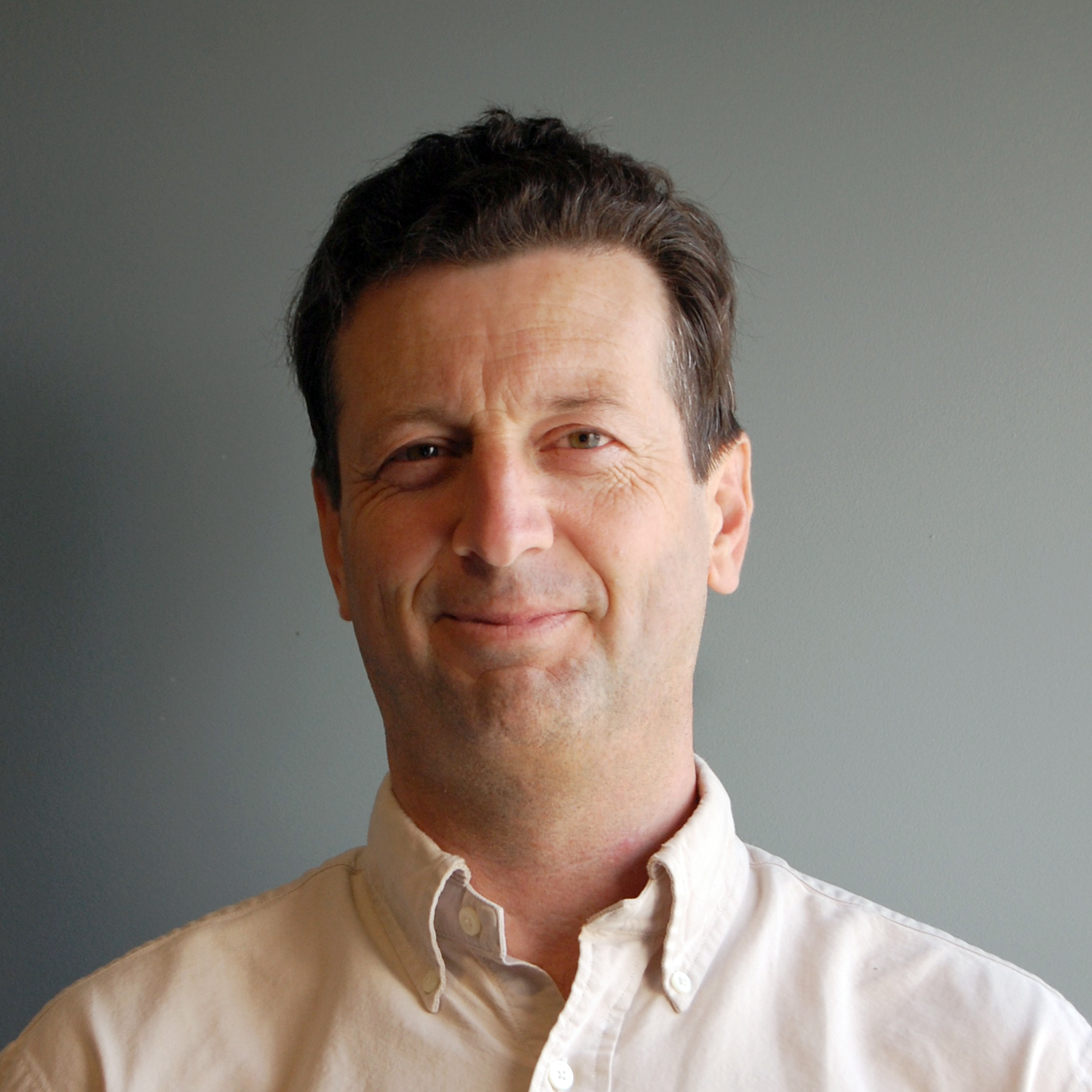 | Dr. Blake Gilks is a Professor Emeritus in the Dept of Pathology and Laboratory Medicine, at the University of British Columbia, in Vancouver Canada, and does clinical service work in the Division of Anatomic Pathology at Vancouver General Hospital, the site of the largest gynecological oncology program in the province of British Columbia, where he was previously Director of the Division of Anatomical Pathology and Interim Medical Director of Laboratories for the Vancouver Coastal Health region. He graduated from Dalhousie University medical school in 1982 and did a residency in anatomical pathology at the University of British Columbia, followed by fellowships in gynecological pathology and molecular pathology at Massachusett's General Hospital and Fox Chase Cancer Center, respectively. Dr. Gilks leads a research program focused on gynecological cancers and is co-founder of the Genetic Pathology Evaluation Centre, a laboratory that uses tissue microarrays of human tumor samples for cancer research, and OvCaRe, a multidisciplinary team studying ovarian cancer. He was co-founder and co-director of the Canadian Immunohistochemistry Quality Control program along with Dr. Torlakovic. He is now Chair of the Canadian Pathology Quality Assurance, which provides proficiency testing for Canadian diagnostic immunohistochemistry laboratories. |
| Professor Clive Roy Taylor, MA, MD(Cantab), DPhil (Oxon) Department of Pathology, Keck School of Medicine, University of Southern California, Los Angeles Emeritus Founding Member |
|
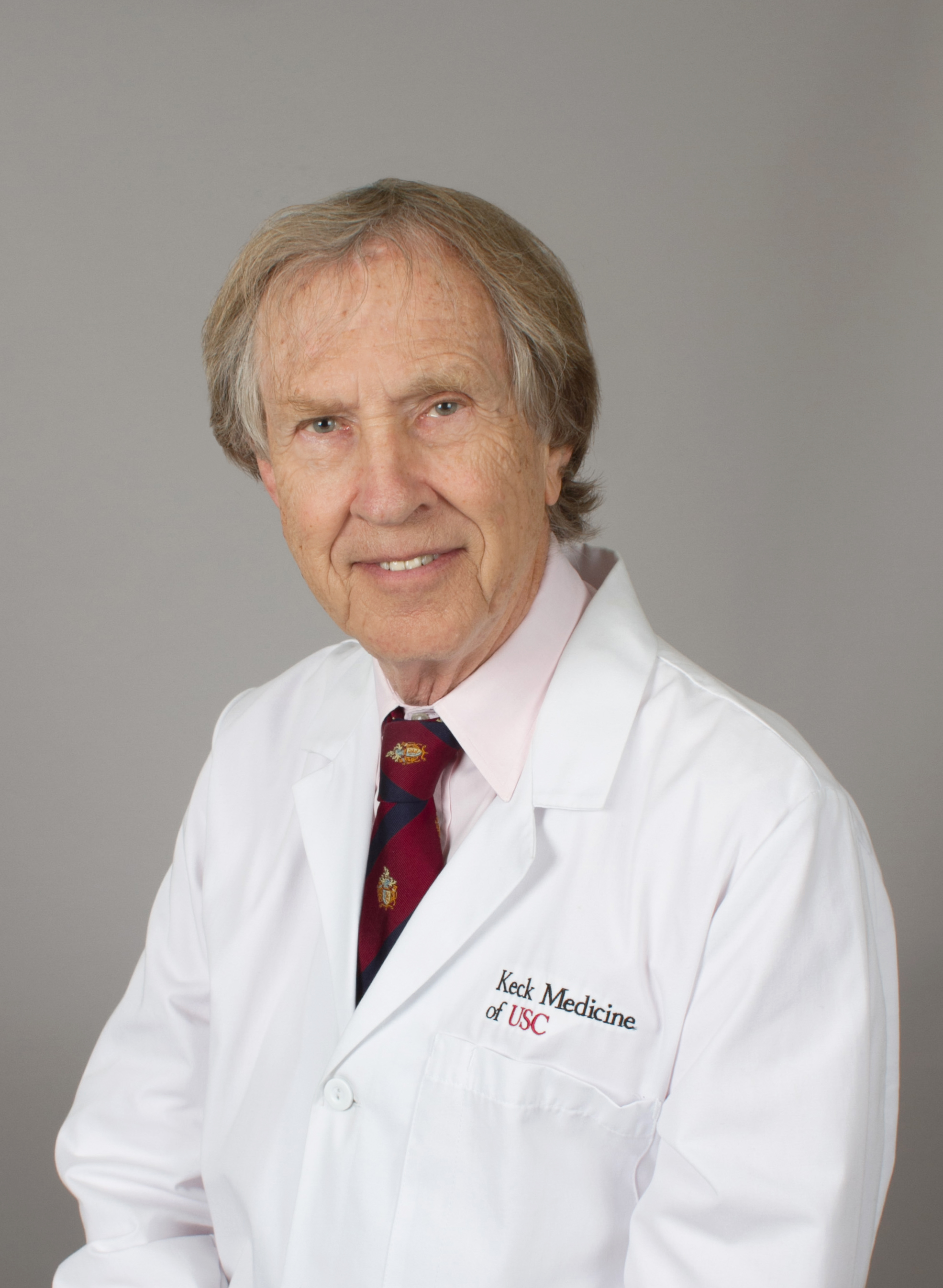 | Professor Taylor holds M.A. and M.D. degrees from the University of Cambridge, and M.A. and D. Phil degrees from the University of Oxford. Dr. Taylor was appointed Lecturer at the University of Oxford, in 1970. A "Traveling Fellowship" in Cancer Research took Dr. Taylor to the University of Southern California in 1975, where he subsequently was appointed to the Chair of the Department of Pathology in 1984, a position that he held for 25 years. He also served as Senior Associate Dean for Educational Affairs at the Keck School of Medicine, from 1998 to 2009. Professor Taylor is a Fellow of the Royal College of Pathologists (U.K.), a Diplomate of the American Board of Pathology, a Member of the Royal College of Physicians (Ireland), and a Member of the Royal Society of Medicine. Professor Taylor chaired an FDA Advisory Panel for Diagnostic Devices and Radiology until 2007. His primary research relates to advanced methods of diagnosis and treatment of cancer, by immunologic and molecular methods. He has published more than 400 scientific papers and 12 books. He is Editor-in-Chief of Applied Immunohistochemistry and Molecular Morphology, and is a Trustee and Past President of the US. Biological Stain Commission. Dr. Taylor is married with four children, all of whom are physicians. |
| Mogens Vyberg, MD Senior consultant, Professor of clinical pathology and Director of NordiQC Emeritus Founding Member |
|
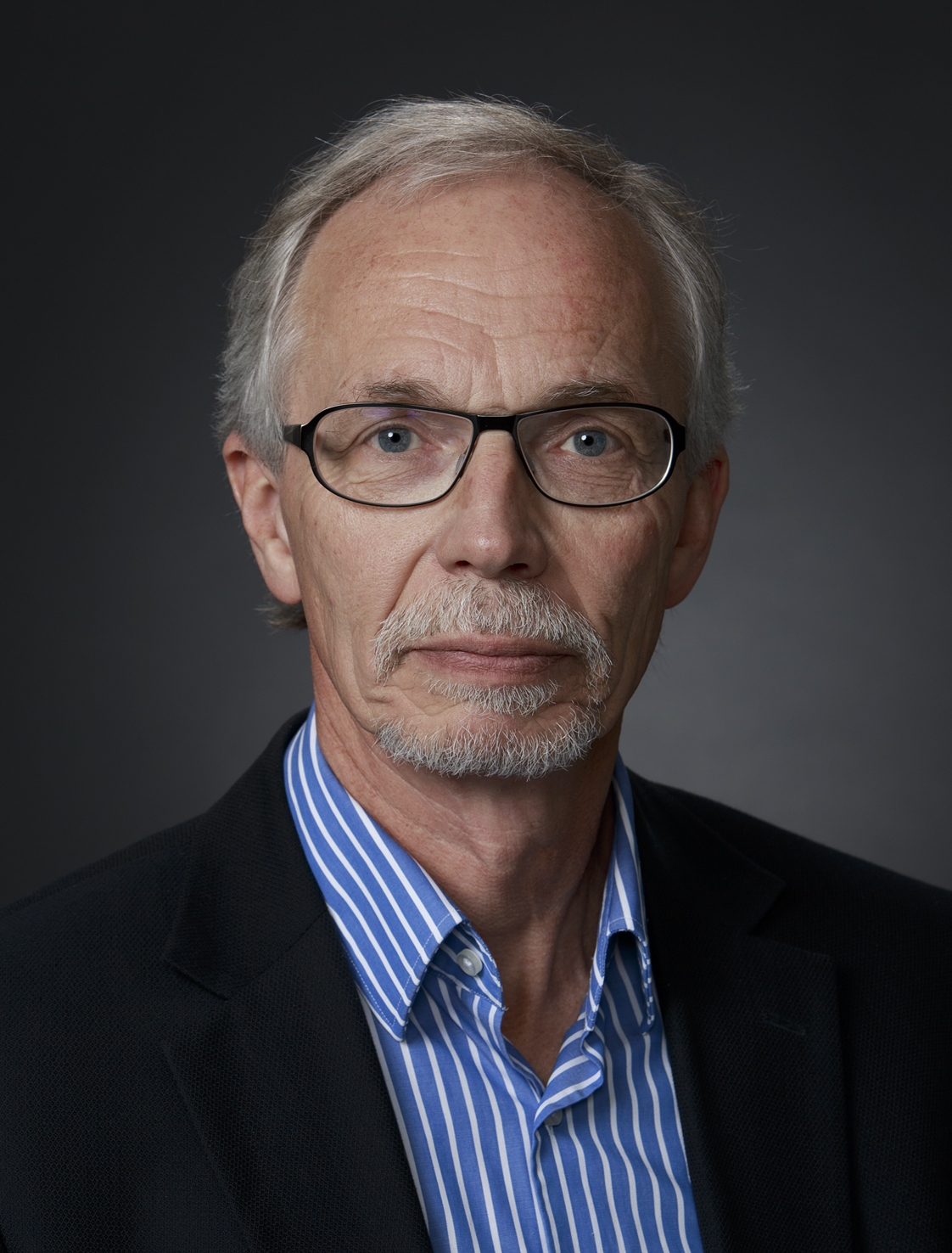 | Mogens Vyberg graduated with MD in medicine 1973 and was board-certified as specialist in pathology 1984. Since 1988, he has been senior consultant at the Institute of Pathology, Aalborg Hospital, and was appointed as professor of clinical pathology at Aalborg University Hospital in 2012. Mogens Vyberg’s main clinical expertise and research fields are gastrointestinal, liver and brain pathology, immunohistochemistry and image analysis. He is author and co-author of about 130 scientific papers and several book chapters in these fields. He is head of the Laboratory for immunohistochemistry/R&D, which carries out quality control and protocol optimization for the world’s leading diagnostics companies. He is also co-founder and director of the international organization Nordic Immunohisto¬chemical Quality Control (NordiQC, www.nordiqc.org), which was established in 2003 at the Institute of Pathology, Aalborg University Hospital, and currently serves more than 700 pathology laboratories from 85 countries. |
| Allen M. Gown, BS (N.Y.), MD (Yeshiva) Emeritus Founding Member |
|
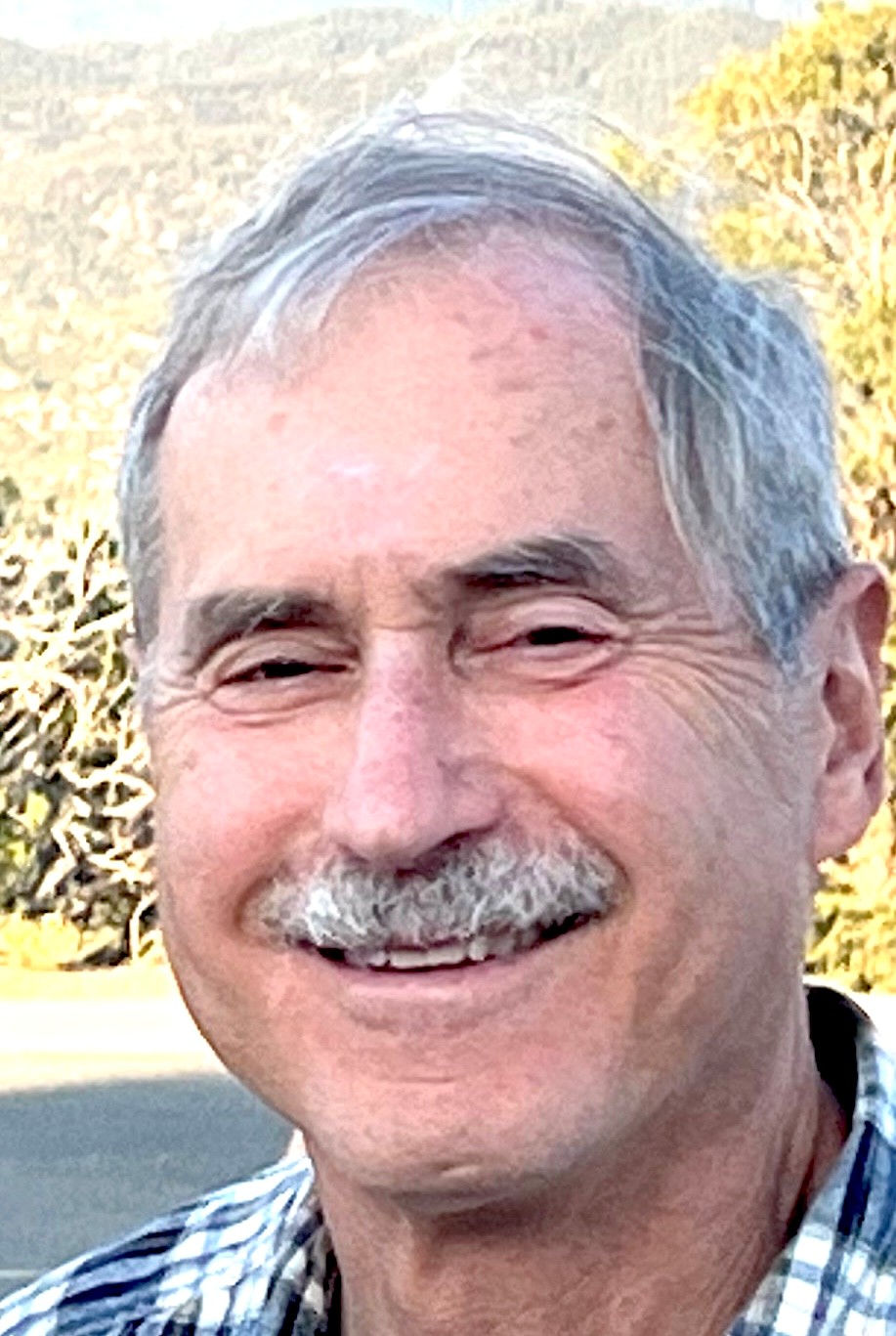 | Dr. Gown received his M.D. from the Albert Einstein College of Medicine of Yeshiva University, Bronx, NY in 1975, and then completed his Pathology Residency as well as Pathology Fellowship training at the University of Washington, Seattle, the latter under the aegis of Dr. Earl Benditt. Dr. Gown rose through the ranks to full Professor of Pathology served as attending pathologist at the University of Washington Medical Center. He left the University of Washington to found PhenoPath, an internationally renowned reference laboratory, at the end of 1997, where he is currently Medical Director and Chief Pathologist. Dr. Gown is a pathologist-scientist recognized as one of the world’s leading experts in the diagnostic and research applications of immunohistochemistry (IHC). He has developed numerous clinically important monoclonal antibodies employed in pathology laboratories around the world (e.g., HMB-45, 34βE12, HHF35, OSCAR), and continues to be at the forefront of clinical investigative studies employing IHC and other modalities, publishing widely and presenting at national and international conferences. Dr. Gown is a member of the editorial boards of many of the major pathology journals. He is a Clinical Professor of Pathology at the University of British Columbia, Vancouver, BC, and an Affiliate Investigator in the Clinical Research Division of the Fred Hutchinson Cancer Research Center, Seattle, WA. Dr. Gown has contributed extensively to the expanding horizons of IHC with over 300 peer-reviewed publications. |